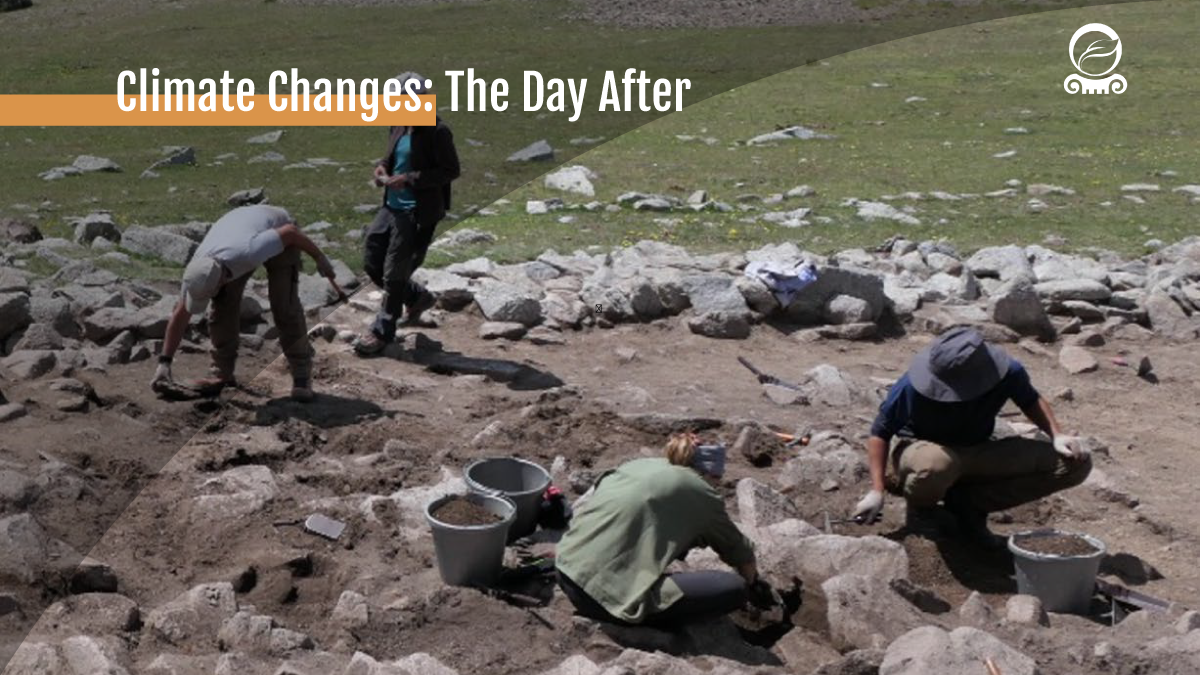
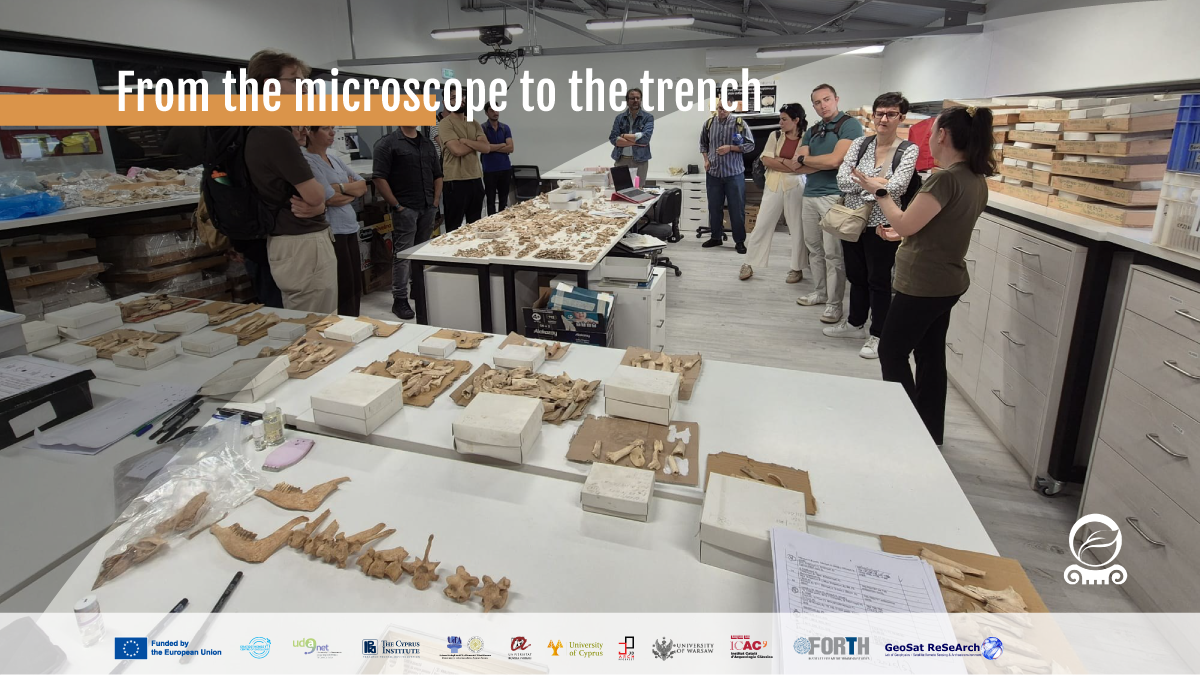
The CHANGES WP2 workshop at The Cyprus Institute
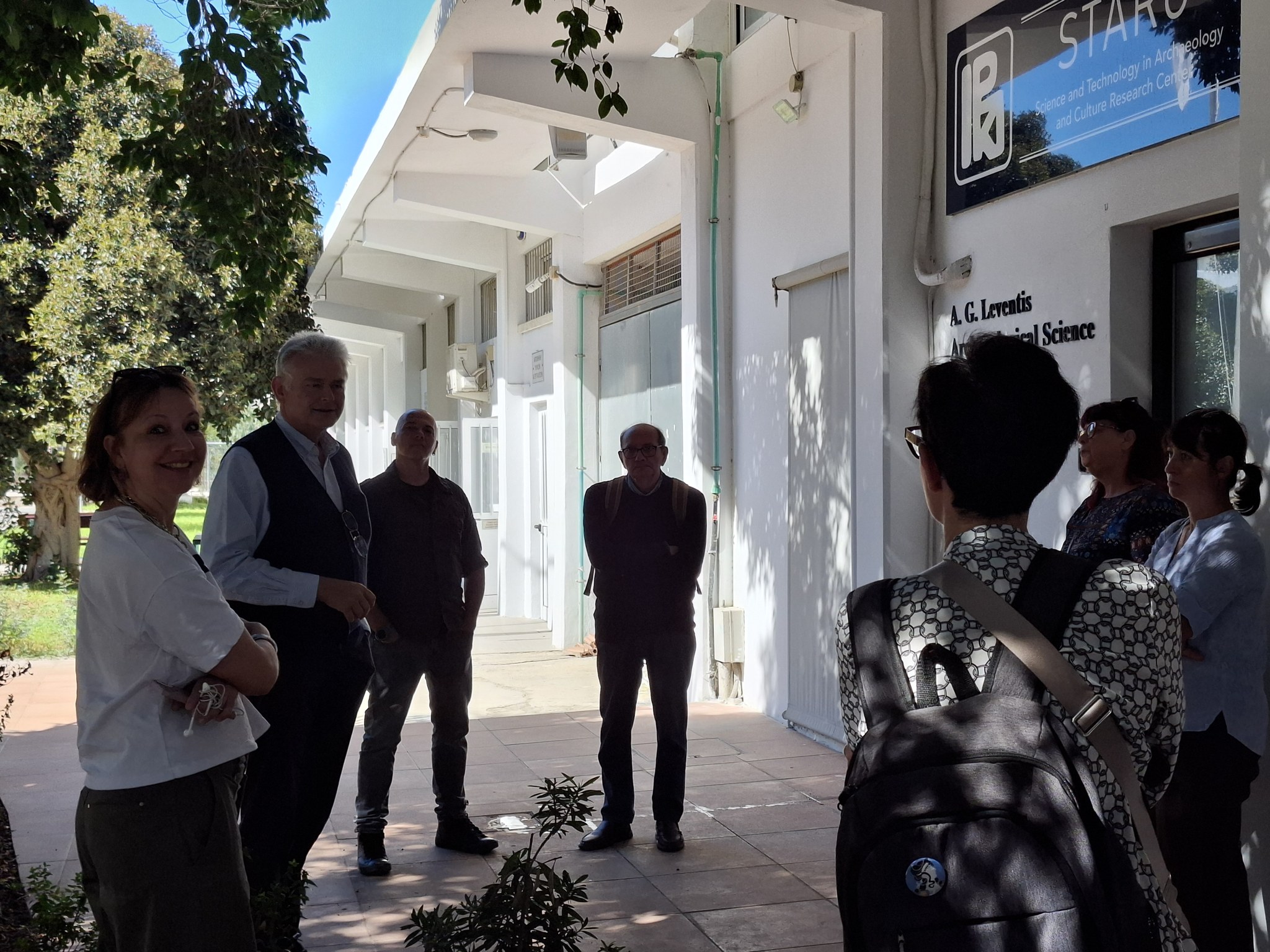
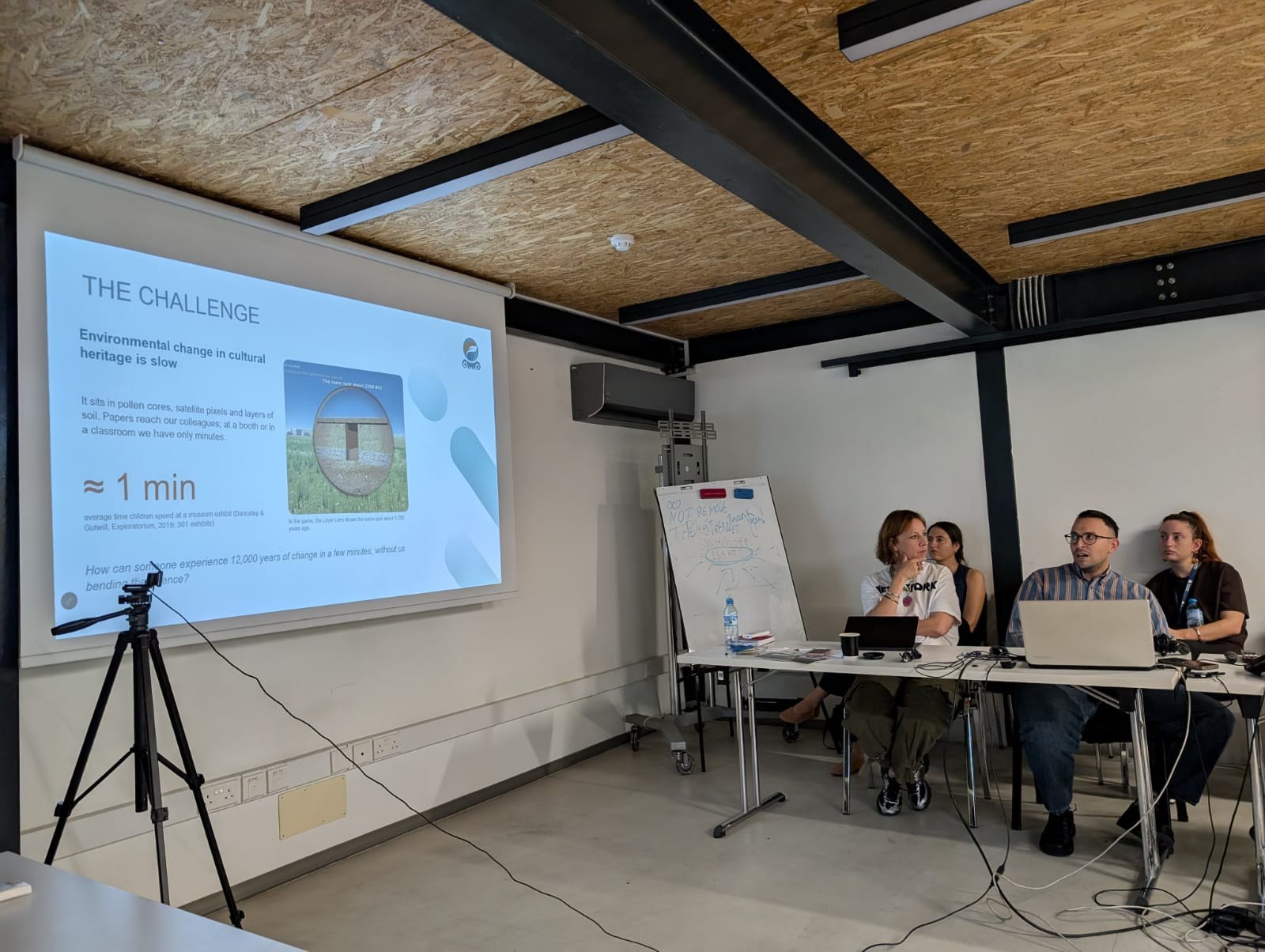
On Monday 19 October, CHANGES partners, researchers and students met in Nicosia for the workshop “Archaeology, Landscapes and Environmental Change: Interdisciplinary Approaches to the Past”, hosted by Dr Evi Margaritis and her team at the STARC – Science and Technology in Archaeology and Culture Research Center of The Cyprus Institute.
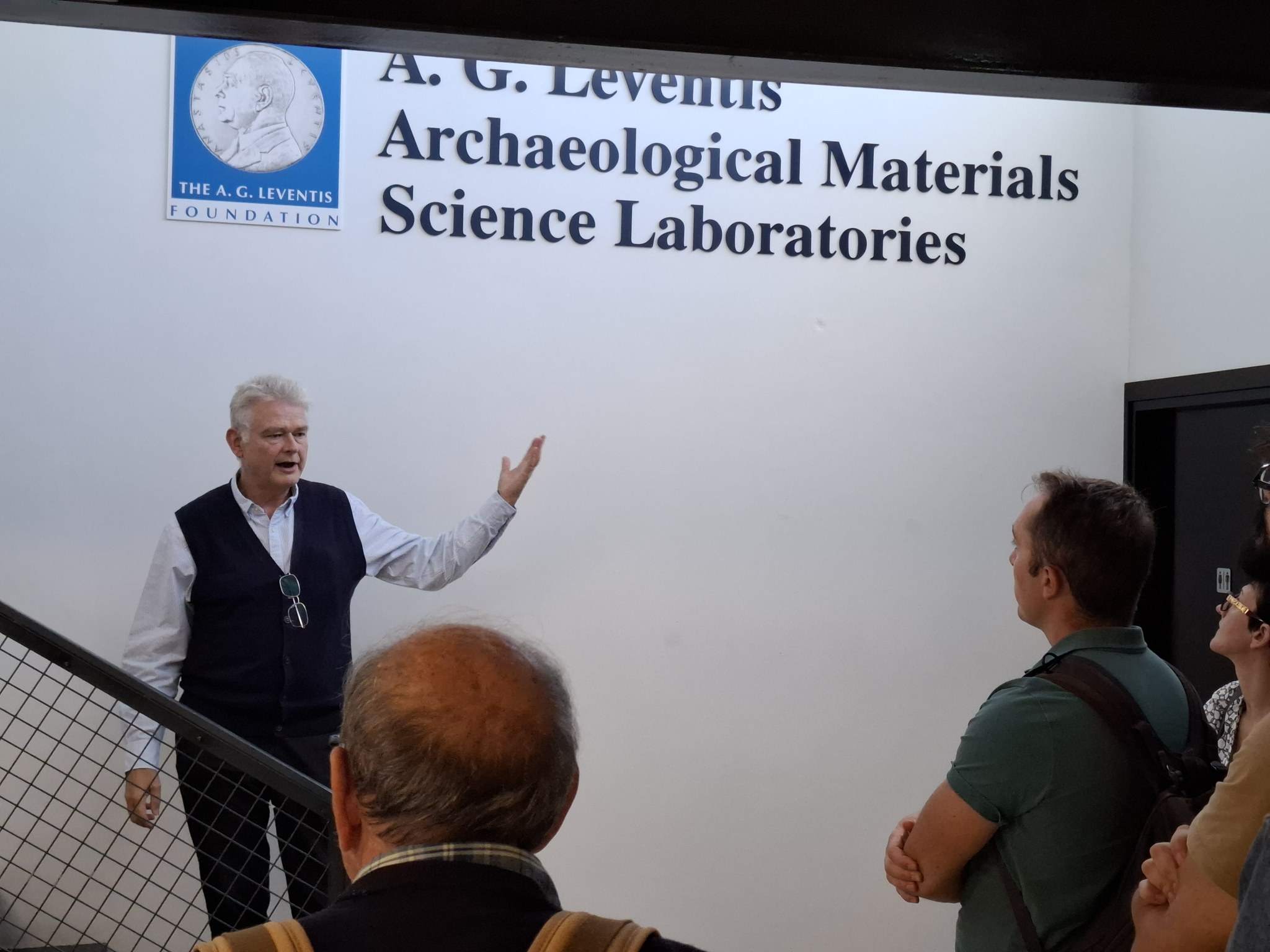
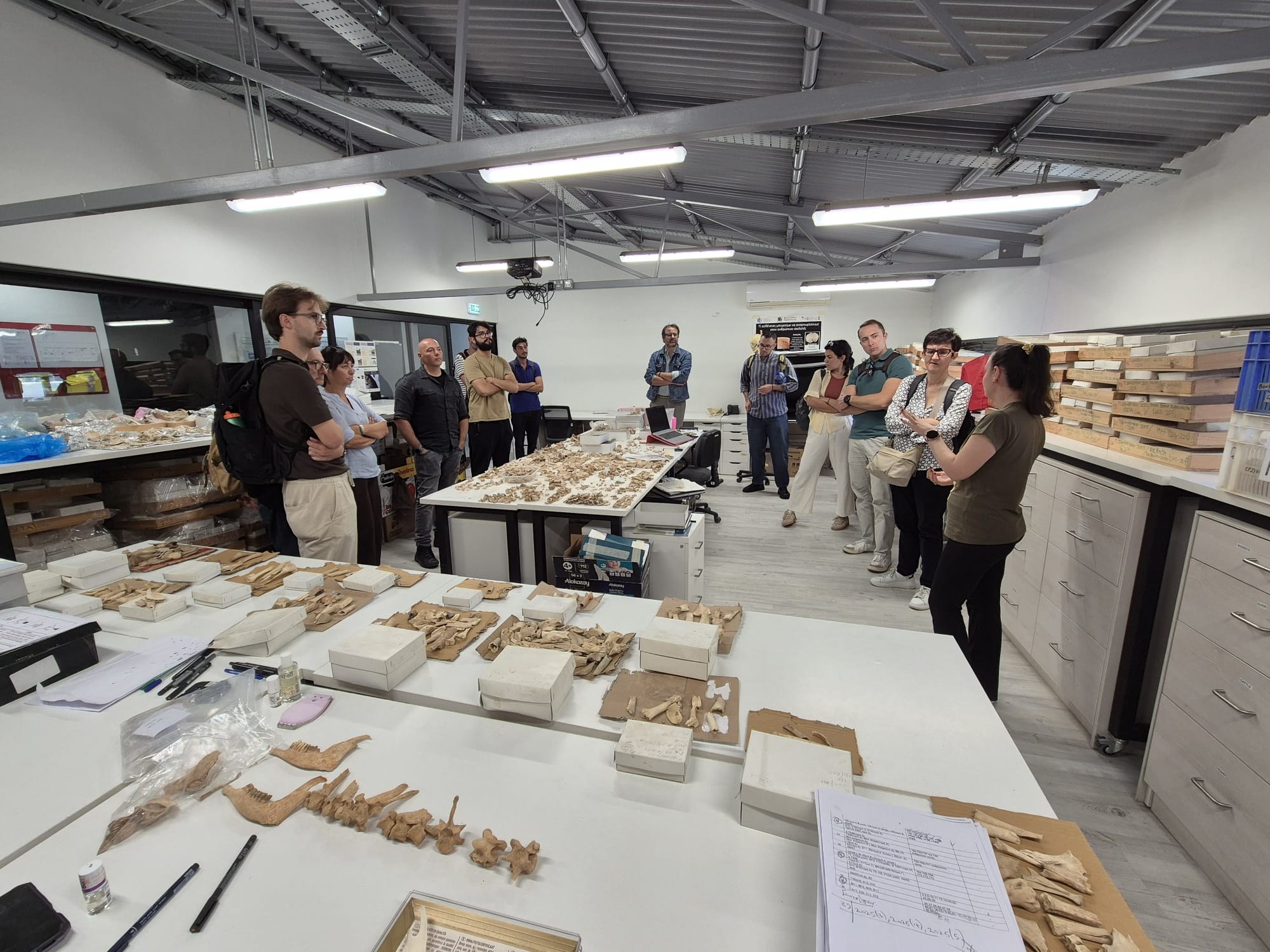
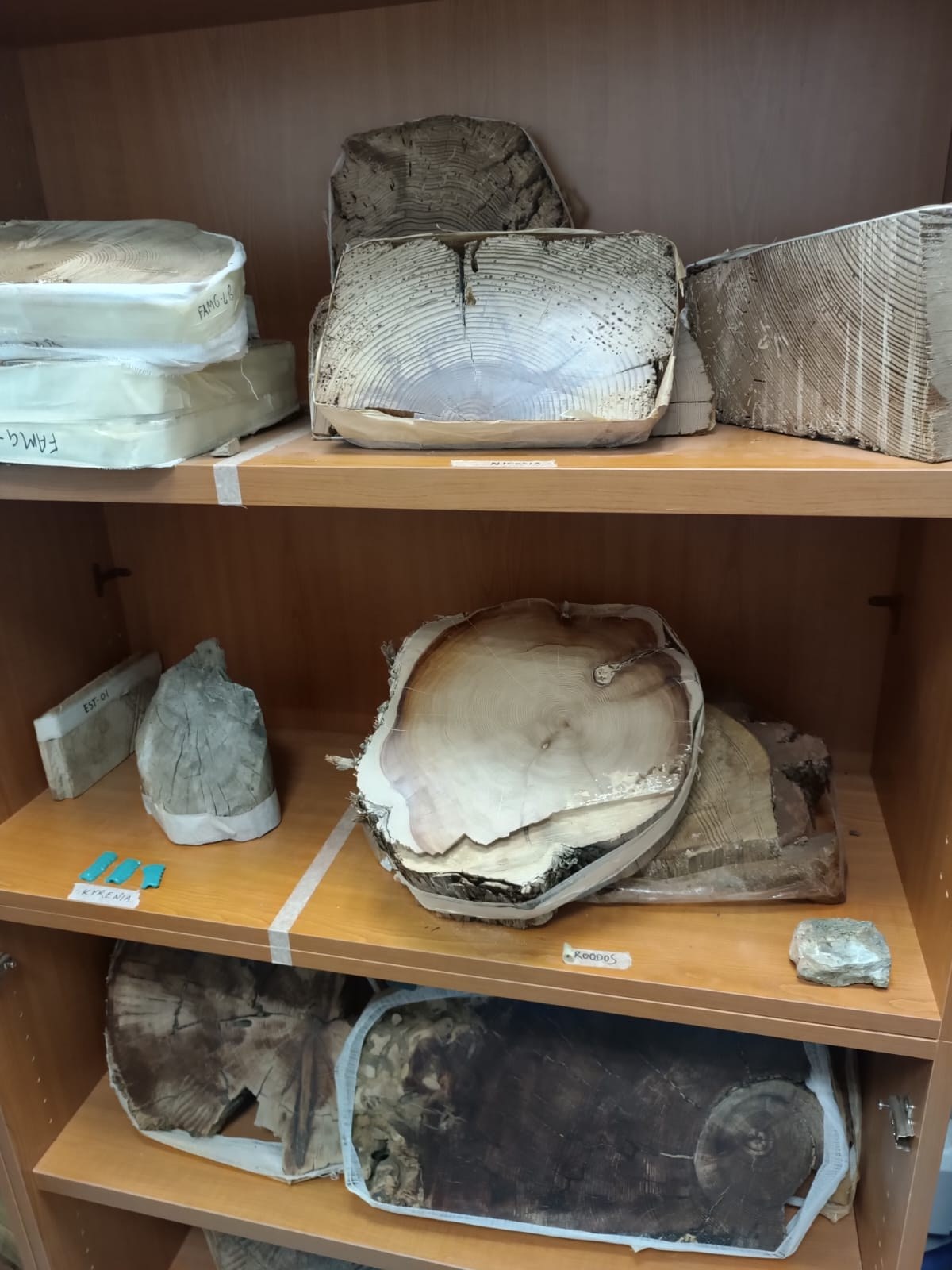
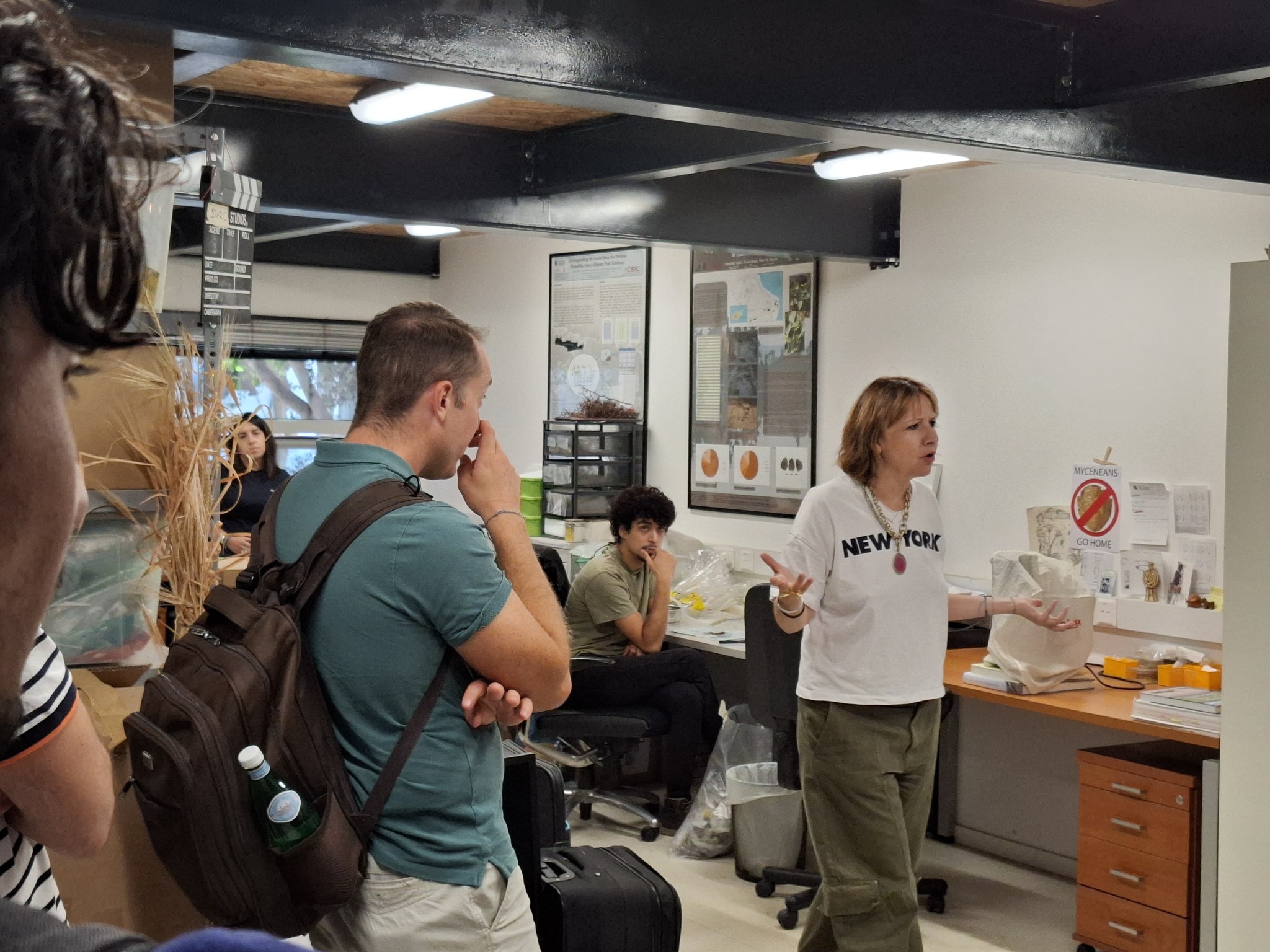
The day began in the laboratories with Prof. Thilo Rehren presenting the archaeological materials science labs, home to the only scanning electron microscope in Cyprus dedicated to archaeology and cultural heritage. Dr Margaritis and other staff from the STARC then guided the group through the human osteoarchaeology and zooarchaeology labs, the digital cultural heritage lab, the Cyprus Dendrochronology Laboratory and the archaeobotany lab, where the specialists of each lab presented their work.
After lunch, four partners showed four ways of reading past environments:
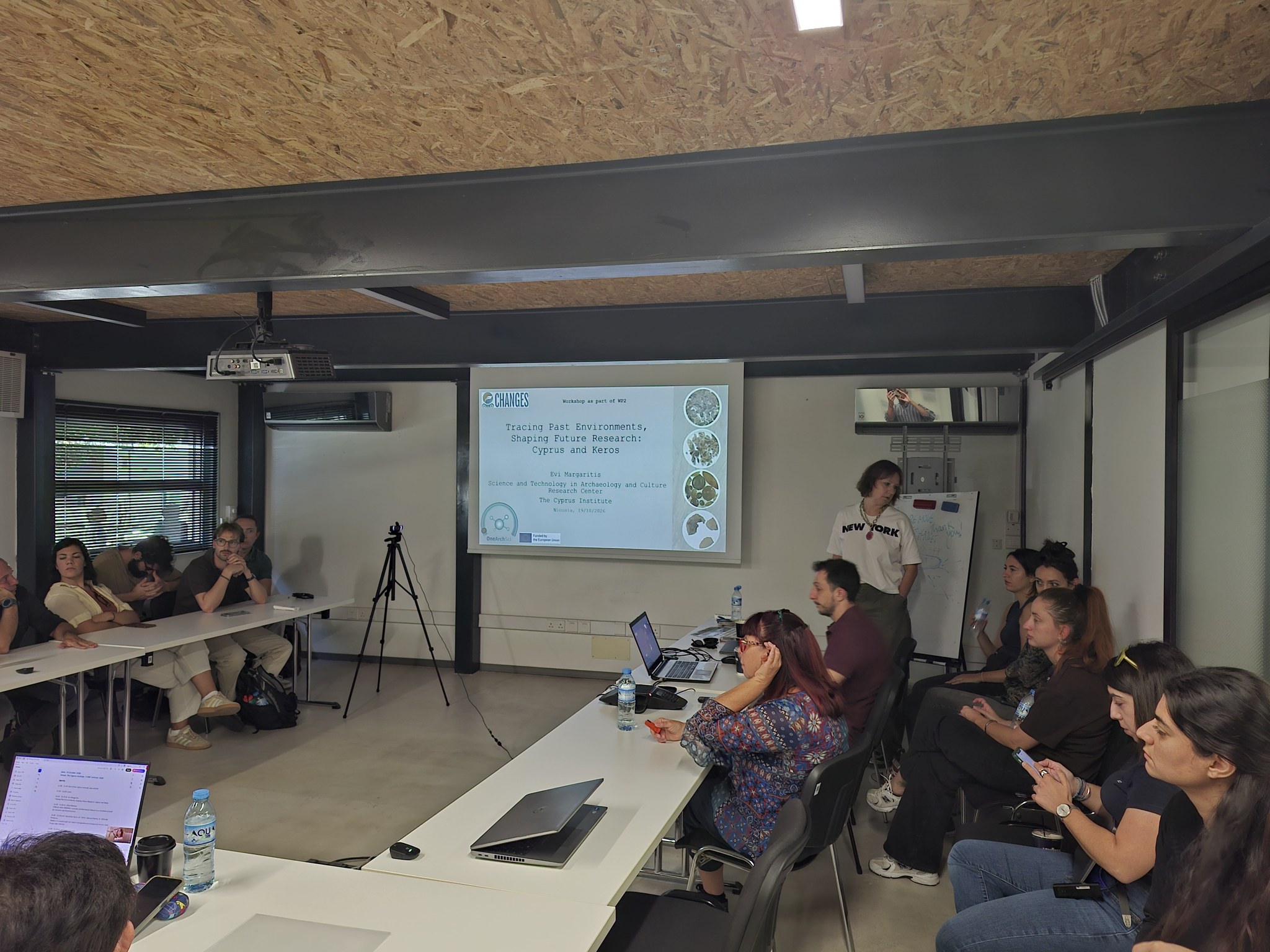
- Assoc. Prof. Evi Margaritis (The Cyprus Institute) on what seeds, charcoal and phytoliths tell us about farming and woodland in Cyprus and on the island of Keros
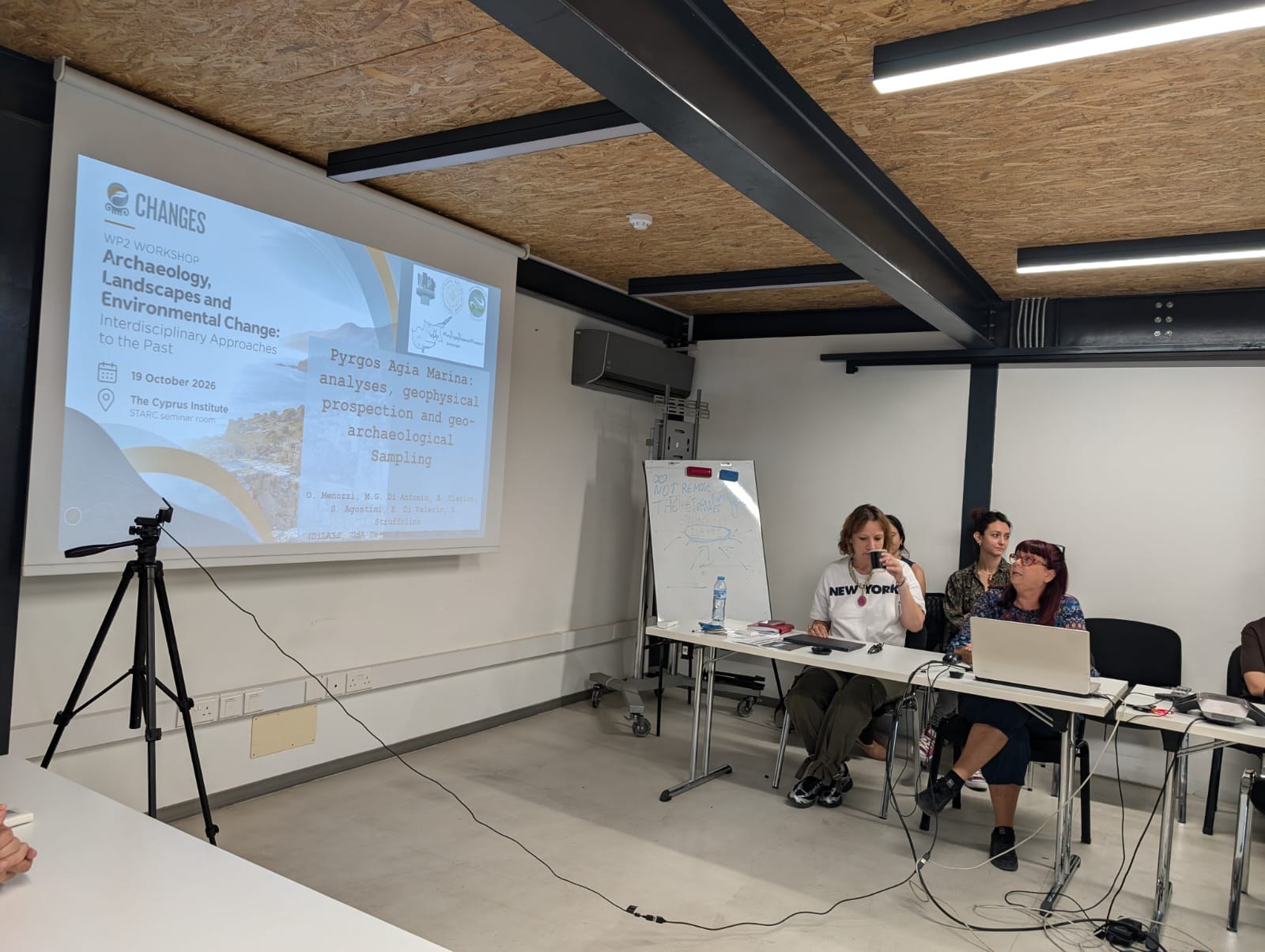
- Prof. Oliva Menozzi and the Archeologia-uda Università Chieti University of Chieti–Pescara team on Pyrgos-Agia Marina near Limassol, a multi-period settlement whose layers, exposed by bulldozing, will be sampled level by level for micro-analysis
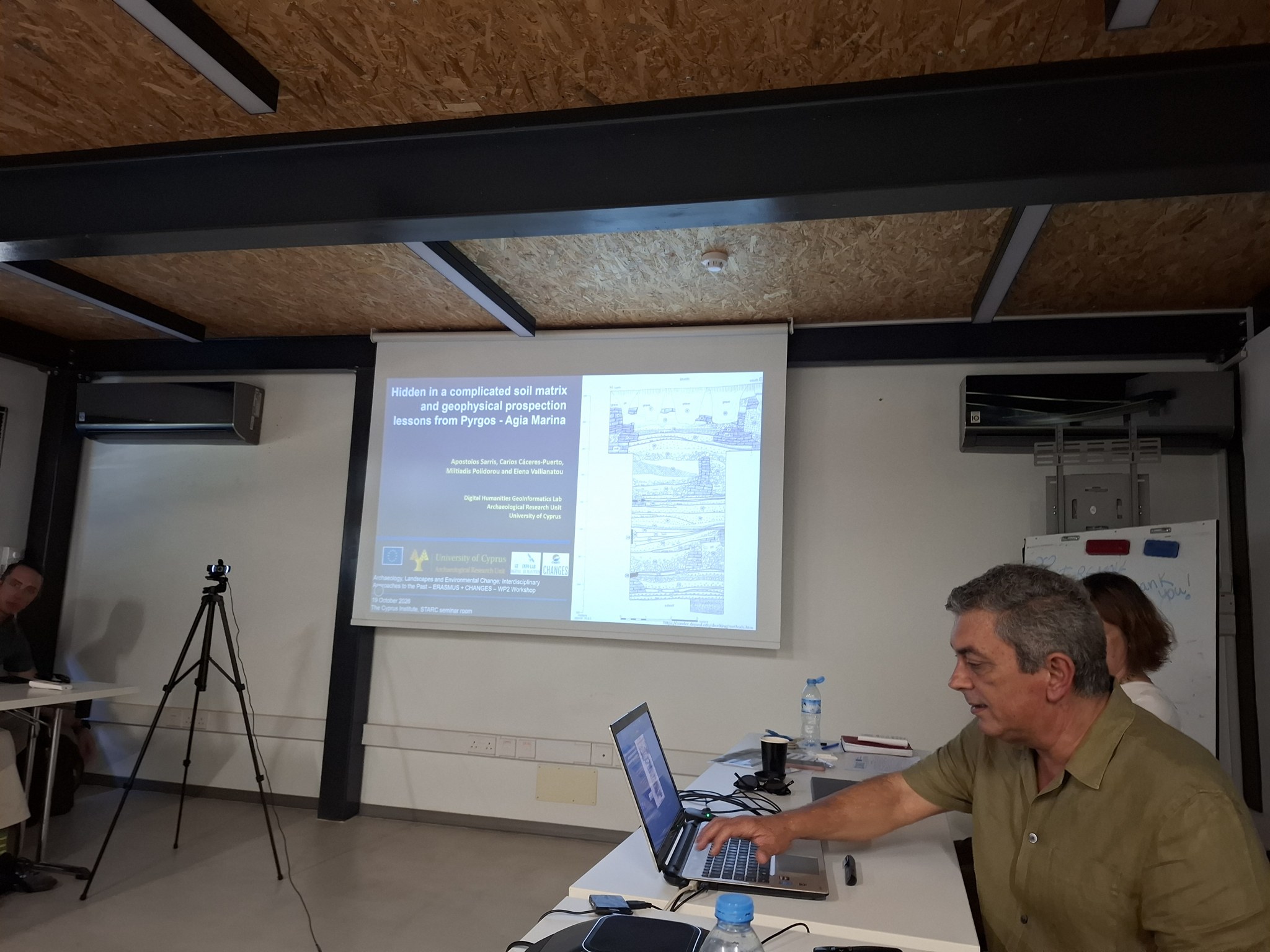
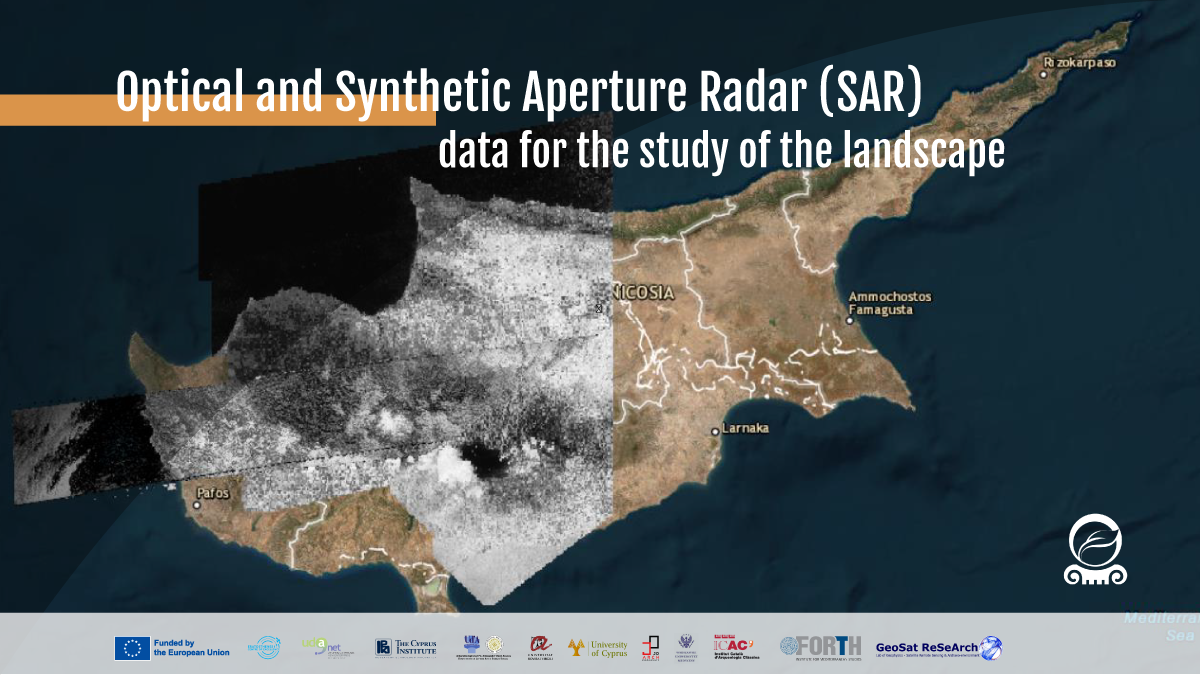
- Prof. Apostolos Sarris, Dr Carlos Cáceres-Puerto and Dr Miltiadis Polidorou (Open University of Cyprus – Ανοικτό Πανεπιστήμιο Κύπρου) on what geophysics can, and cannot, see in the complex soils of the Pyrgos-Agia Marina site
- Dr Mahmoud Mardini (Eratosthenes Centre of Excellence) on learning through gaming, with the project’s educational game called LAYERS
Twenty-eight participants joined in person and more online. The discussion opened new ideas for working together: a shared study of Pyrgos-Agia Marina across our work packages, and survey ideas for Keros.
A warm thank you to Dr Evi Margaritis and her team at The Cyprus Institute for an excellent organisation, to Prof. Thilo Rehren and the STARC laboratory specialists, and to Prof. Apostolos Sarris, Prof. Oliva Menozzi and their teams.